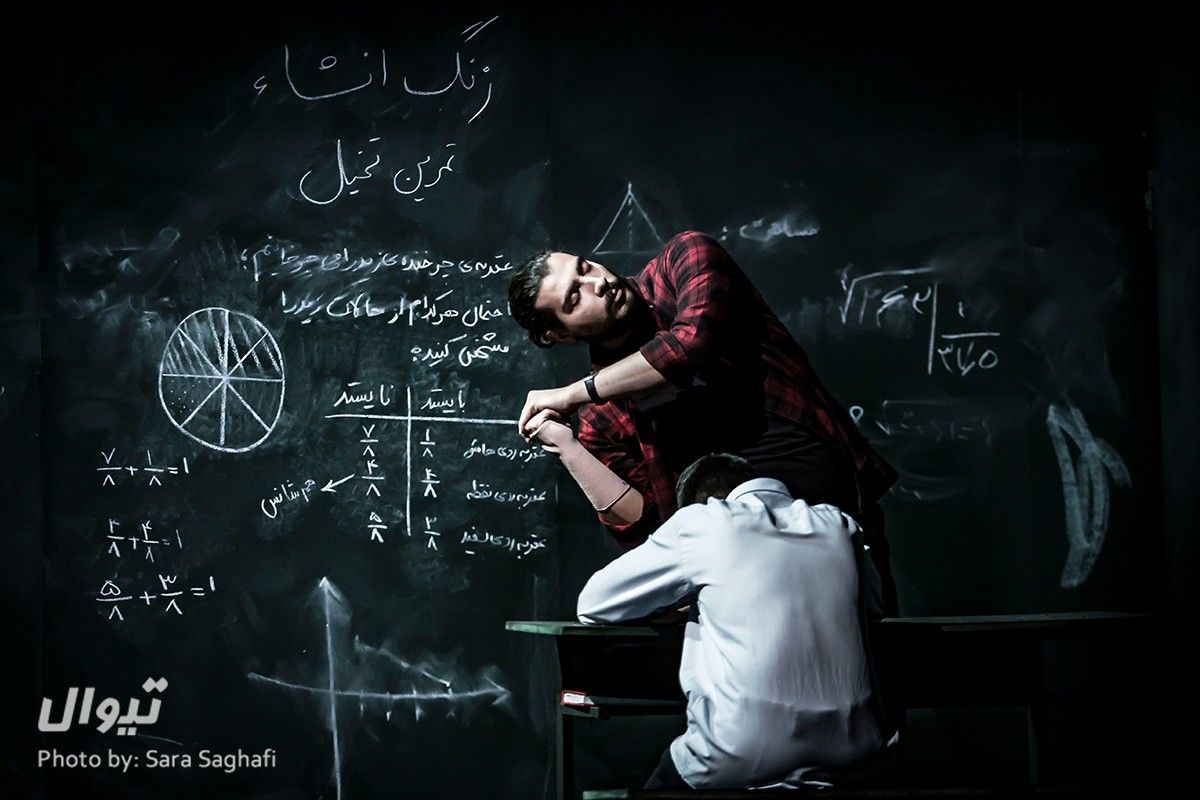
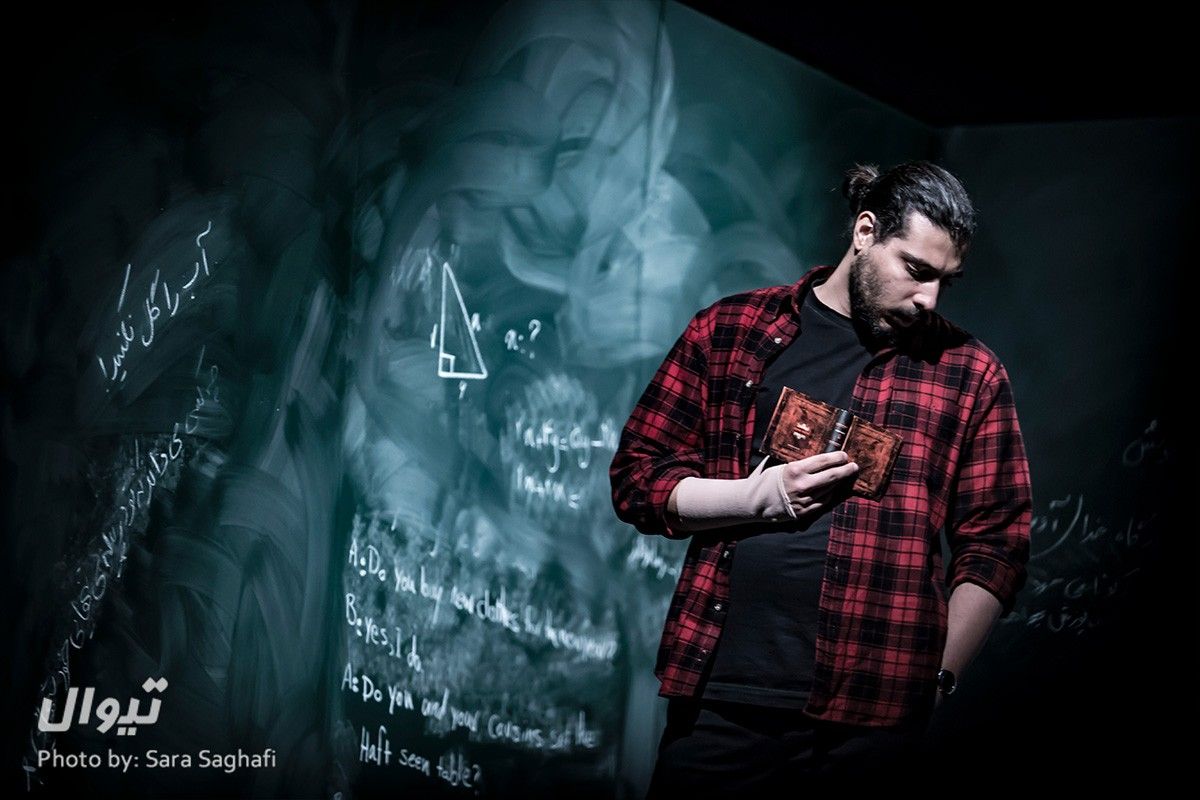
In April 2019, I had the opportunity to participate in the 22nd International Iranian Festival of University Theater as the lead actor in a play titled “Tear Gas.” Authored by Arjang Talebinejad and directed by Mostafa Zarreparvar, the production was performed in Molavi Theatre stage in Tehran.
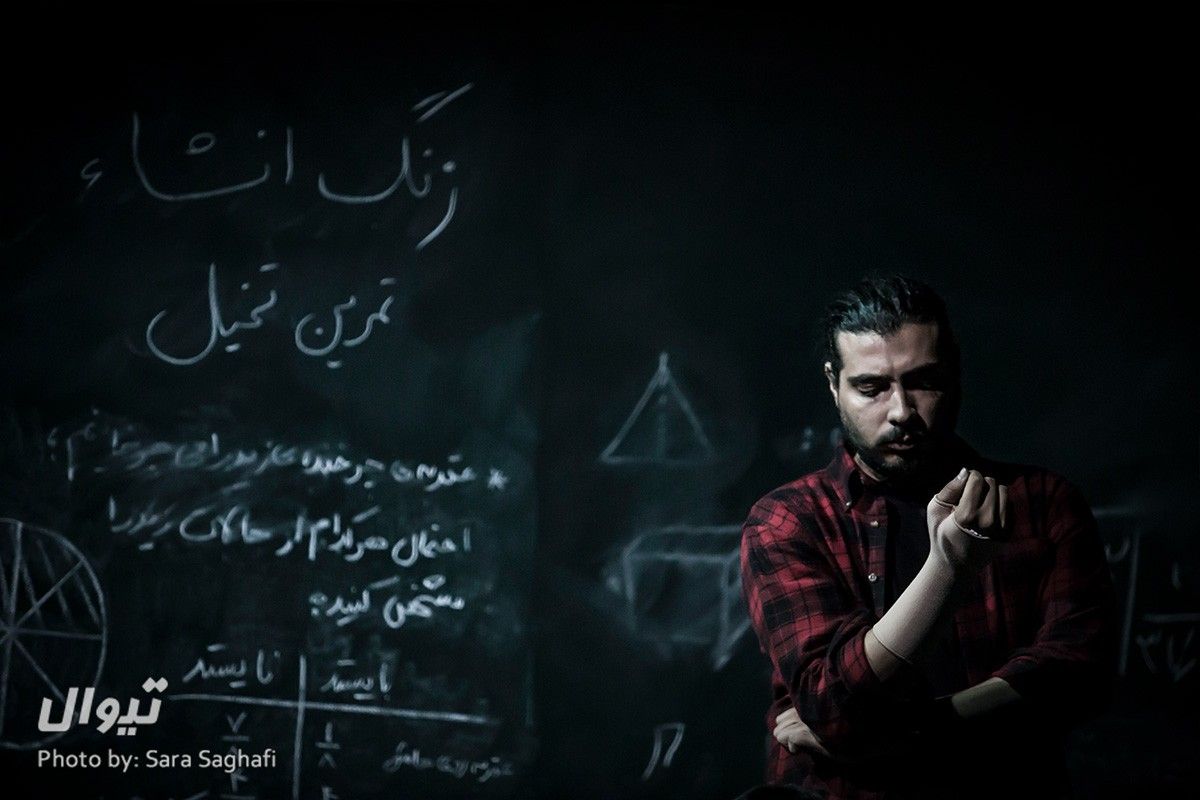
The play, unfolds within the confines of a boy’s high school in Iran, where a young teacher becomes enmeshed in a compelling narrative. Progressing through the storyline, it becomes evident that one of the students is grappling with LGBTQ+ identity. Driven by compassion and a genuine desire to help, the teacher endeavors to support the student. However, in a cultural milieu where discussions about LGBTQ+ issues are uncharted territory, his efforts encounter resistance and condemnation from colleagues.
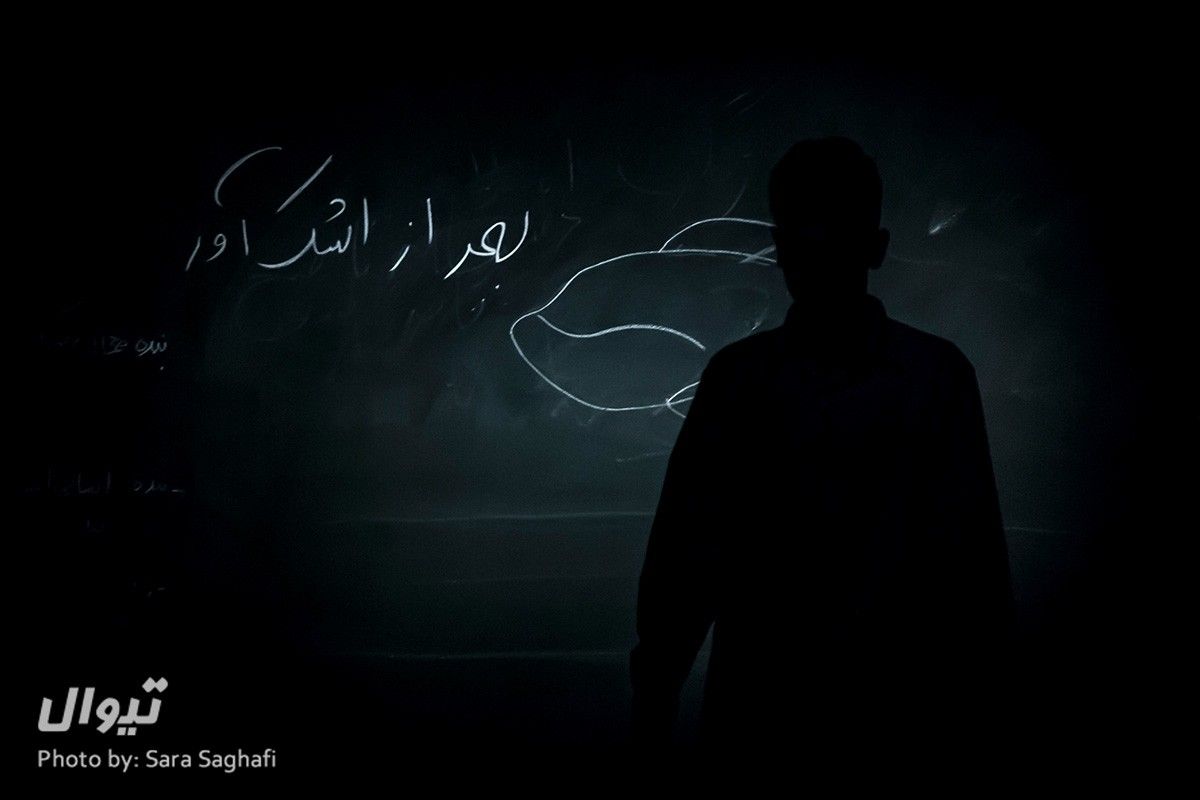
As tensions escalate, the teacher finds himself increasingly isolated and ostracized. Despite his sincere intentions, the insurmountable cultural barriers lead to a heart-wrenching resolution. Ultimately, he decides to leave the school, symbolizing his departure from a system unwilling to address the diverse needs of its individuals.
A poignant element of the narrative is the teacher’s tattoo—a whale on his hand, visually representing his profound loneliness in the world. This symbol serves as a recurring motif throughout the play, encapsulating his personal struggles. His mission to shield the student from a similar fate weaves a powerful and emotional thread throughout “Gas Tear” spotlighting the challenges of navigating societal norms and underscoring the importance of understanding and acceptance.