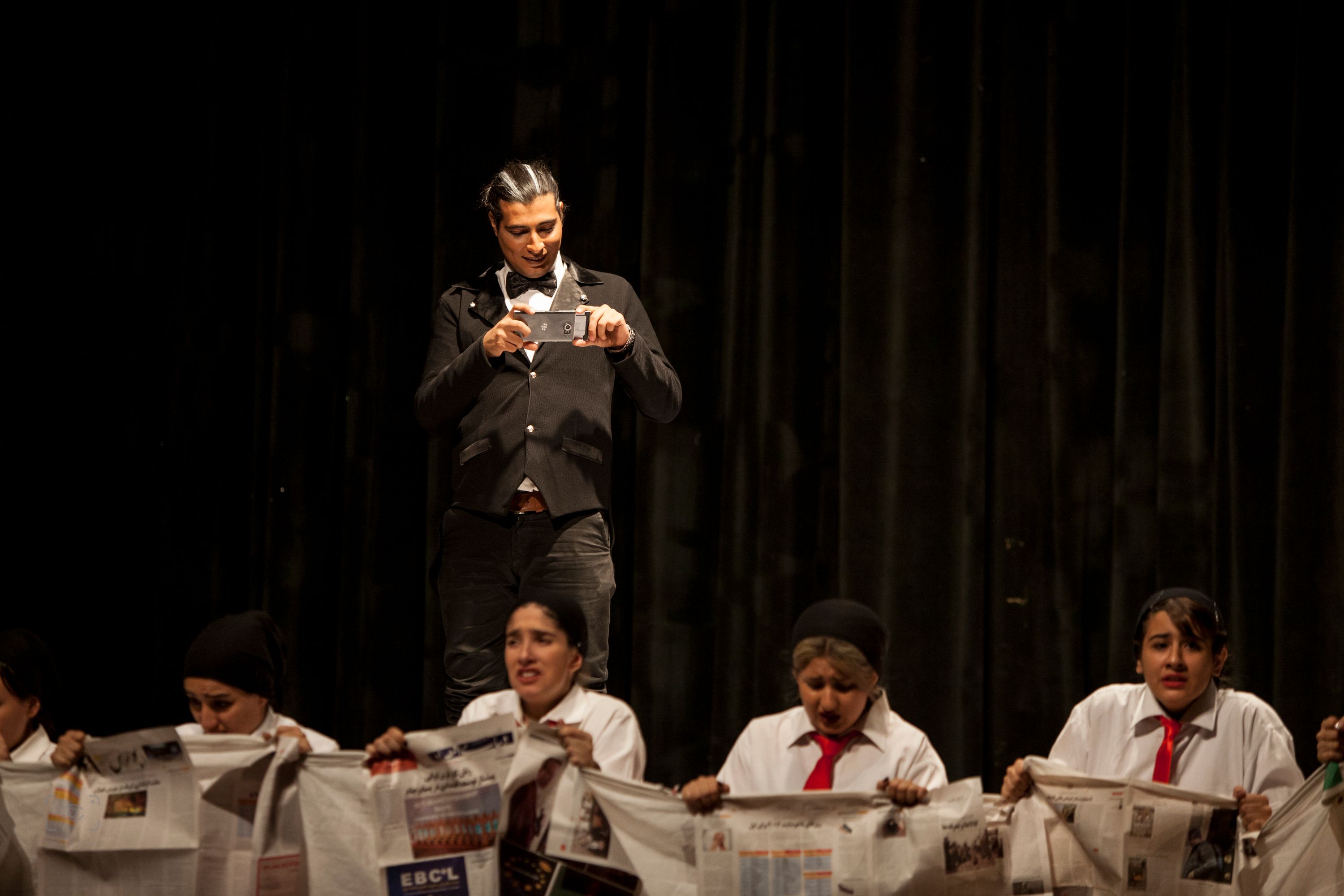
In 2017, Alireza Khosroabadi and I embarked on a journey to bring a fresh wave of plays to the Zanjan theater scene. The outcome was several performances that our team did. Plays like Pillow-man is one of them. One notable production directed by Alireza was “Biedermann,” a play that holds a special place in my heart as one of my cherished acting experiences.
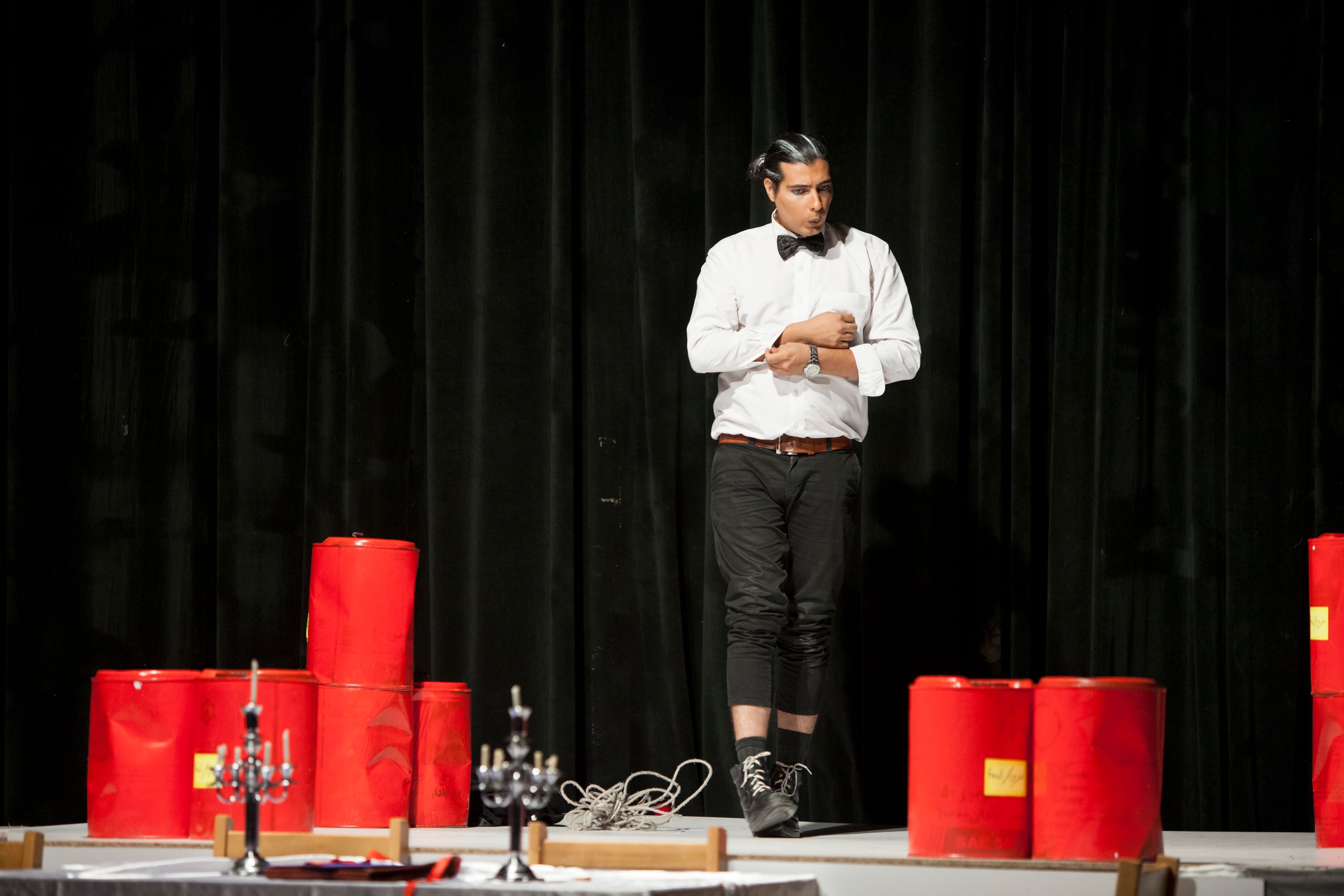
During that time, we pondered a question: Why were most theater artists in Zanjan exclusively focused on musicals or domestic plays? It seemed perplexing that renowned works by Shakespeare, Brecht, or contemporary playwrights like Martin McDonagh were overlooked. This prompted us to discuss the matter with fellow Zanjanian theater artists, and the prevailing response was, “Zanjan audiences can’t handle lengthy plays like Hamlet.” We sensed a disconnect and set out to challenge this perception.
Alireza took on the challenge of directing “Biedermann und die Brandstifter” (Fire Raisers) by Max Frisch. This darkly comedic and absurdist drama delves into themes of conformity, societal apathy, and the potential for evil within ordinary people.
The play unfolds the tale of Mr. Biedermann and his wife, who unwittingly welcome two strangers, Schmitz and Eisenring, into their home. These strangers, as it turns out, are arsonists openly discussing their plans to set fire to the city. Despite glaring signs, Mr. Biedermann fails to confront the destructive intentions of the arsonists, reflecting society’s reluctance to acknowledge and confront impending crises.
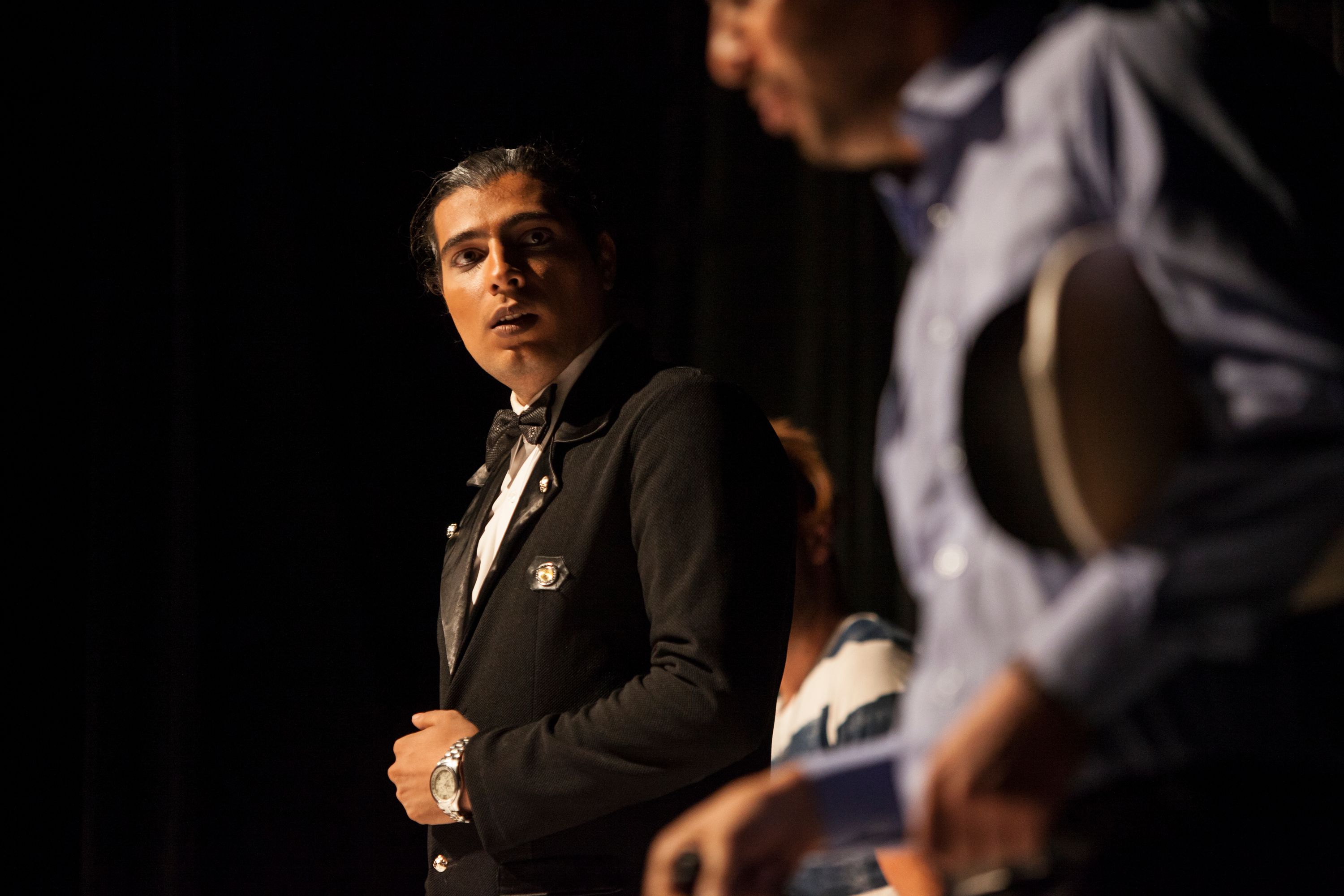
“Fire Raisers” serves as a potent allegory, urging the audience to ponder the consequences of passivity, blind conformity, and the willingness to ignore warning signs in the face of imminent danger. The play’s dark humor and thought-provoking narrative make it a timeless exploration of human behavior and the consequences of societal indifference.
I had the privilege of playing the role of Eisenring, a character that led to an unforgettable moment during a pure improvisation scene. Alireza had mentioned this scene at the start of our work on the play, but we never delved into it further during the year of rehearsals. As the opening night approached, Alireza asked if I was comfortable with the improvisation, to which I responded, “We never discussed it in detail.” Despite the option to skip the scene, I insisted we go through with it.
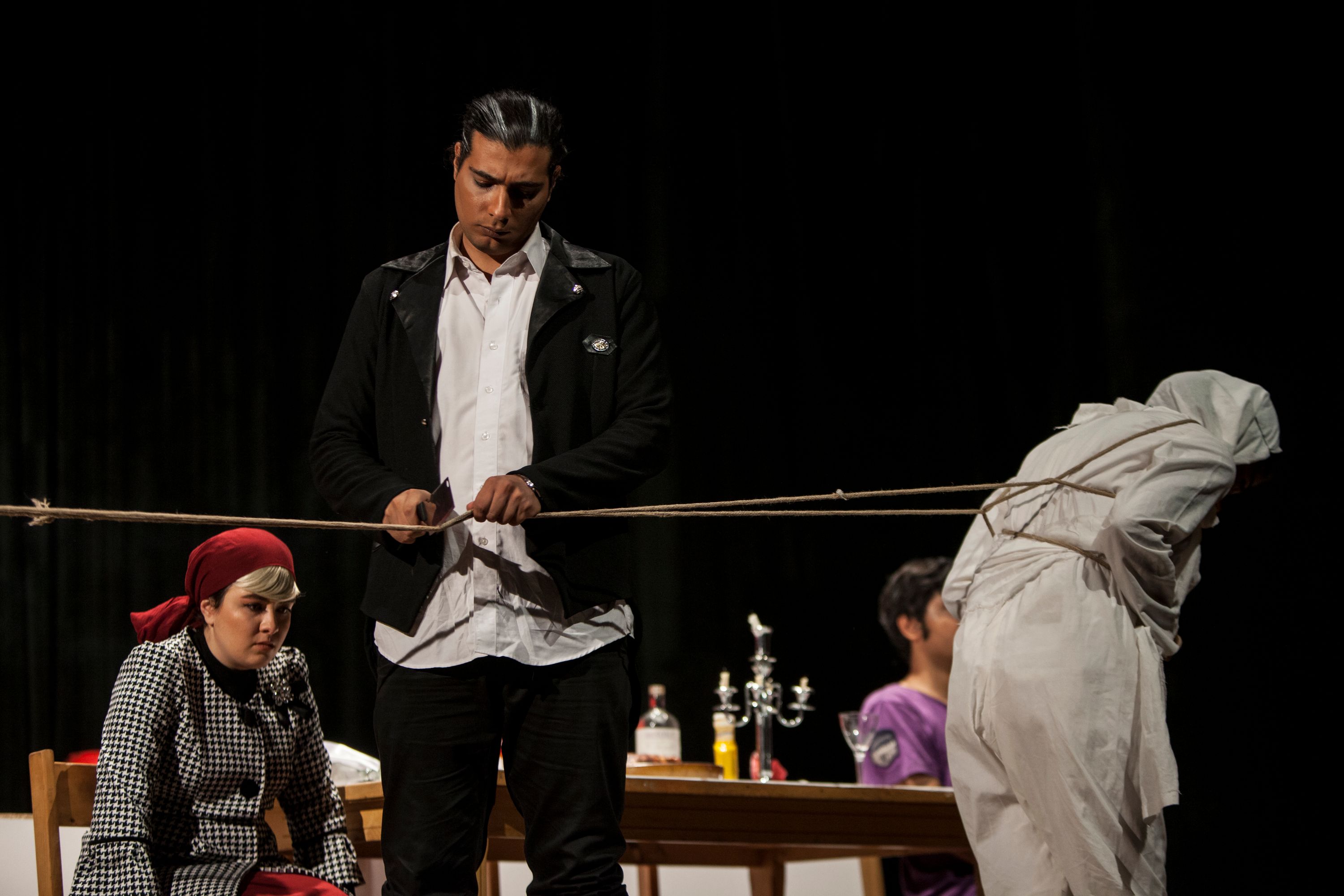
During the performance, when I had to break character and directly engage the audience, channeling a classic Brechtian alienation, I felt a surge of magic coursing through my veins, delivering a flawless performance. It’s no surprise that this improvised scene became one of the most memorable moments of the entire production. This performance remains etched in my mind, rent-free.